House Clearance in Epping
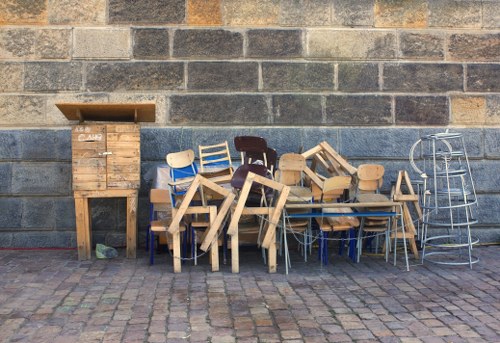
House clearance in Epping should feel practical, orderly and respectful of the property. We help with clearing homes when rooms need to be emptied for sale, letting, renovation, probate or a straightforward reset after years of accumulated belongings. The service can cover a single room or a full property, and it is carried out with a focus on separating usable items, recyclables and material that needs removal. If you are planning a clear-out, the aim is to make the process manageable from the first enquiry to the final load.
Our work is suited to homes of different sizes and layouts, including houses, flats, loft spaces, garages and outbuildings. We handle general household contents, furniture, bagged items and mixed domestic clutter, always keeping the job tied to the space and the contents that need removing. House clearance is not only about lifting items away; it is also about making sensible decisions about what stays, what leaves and how access is managed within the property.
To start well, it helps to gather a basic picture of the job. A short description of the rooms involved, what kind of contents are present and whether there are stairs, tight access points or parking restrictions can make the next step clearer. If you want to move forward, send a concise outline of the clearance needed and we can help shape the right approach.
Full House Clearance for Occupied and Vacant Properties
Full house clearance is the best fit when most or all of a property needs to be emptied. That can include furniture, appliances, boxed items, ornaments, books, clothing and mixed household possessions. The work is often organised room by room so the removal is controlled rather than rushed, especially where items are stored in cupboards, lofts or under-stair spaces. This approach helps keep the job clear for everyone involved.
Where a property has a combination of keep, donate, recycle and remove items, we can work through the contents in a steady sequence. A full clearance is usually easier when the contents are grouped in advance, but that is not always essential. If a family member, landlord, solicitor or property owner is coordinating the job, the main point is to make sure the correct rooms and items are identified before the clearance begins.
What a complete clearance usually covers
A complete domestic clearance often includes furniture such as beds, wardrobes, sofas, tables and chairs, plus loose items from living spaces and storage areas. In some homes there are also small electricals, kitchenware, decorative pieces and general household clutter that have built up over time. The exact scope depends on the property and what needs to be removed, so a careful description of the contents helps keep expectations accurate.
Furniture Removal, Disposal and Reuse Decisions

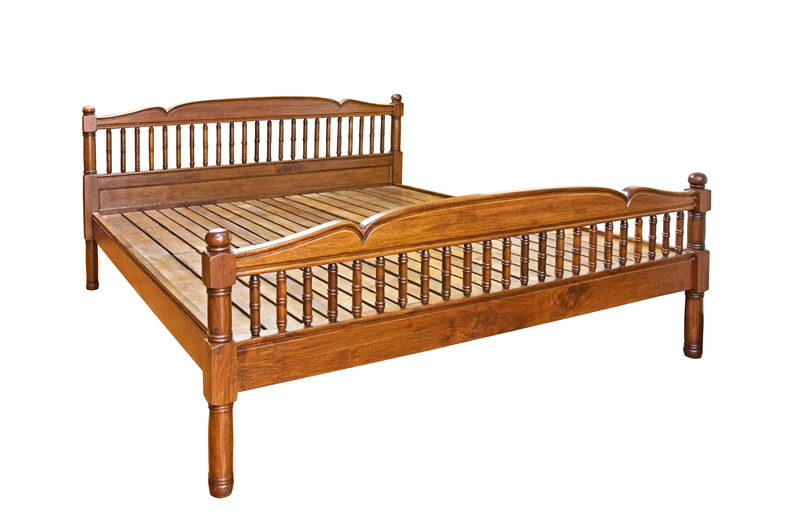
Furniture is often the largest part of a house clearance, so it deserves specific planning. Large pieces may need to be dismantled or moved in sections, particularly where hallways are narrow or staircases turn sharply. Sofas, cabinets, wardrobes and beds can require different handling methods, and the right approach depends on both the item and the route out of the property. Careful movement matters as much as speed.
Some furniture may be suitable for reuse or recycling, while other pieces may be damaged, worn or no longer practical to keep. We aim to treat each item appropriately rather than assume that everything should be handled the same way. When you are deciding what to remove, it is helpful to separate pieces that are staying from pieces that are definitely going. That simple step can prevent delays on the day.
For many households, furniture clearance is most useful when it is tied into the wider room-by-room plan. A set of items from one bedroom may be removed alongside a lounge suite, a dining table and several smaller pieces from other parts of the property. If you are planning a larger clear-out, list the main bulky items first so the job can be structured around them.
Loft, Garage and Storage Area Clearance
Lofts and garages tend to fill with mixed belongings because they are used for long-term storage. That can make the contents varied and sometimes awkward to move, with bags, boxes, seasonal items, old furniture and broken household goods all in the same space. These areas often need a more patient clearance because access may be limited and items may have to be carried carefully down from upper levels or out of confined corners.
Storage clearances work best when the contents are assessed before removal begins. Some people want the whole space emptied, while others only need selected items cleared so the area can be used again. A garage may contain tools, shelving, garden equipment or old domestic fittings, and lofts often contain archived paperwork, suitcases and decorations. The clearer the instruction, the easier it is to keep the right items in place.
When a storage area is being cleared alongside the rest of a home, it can be efficient to treat it as part of the same project rather than a separate task. That helps keep the loading plan simple and avoids repeated handling. If the property has not been sorted for some time, it is often sensible to separate anything personal, valuable or sensitive before the clearance begins.
Garden Waste and Outdoor Clearance

Outdoor areas can collect more than many people expect, especially when sheds, patios and borders are used for storage as well as gardening. A garden clearance may involve bagged green waste, broken pots, timber offcuts, old outdoor furniture, plant containers, fencing sections and general exterior clutter. The work is usually different from an indoor clearance because the materials are more varied and access can change with the layout of the garden.
Some outdoor clearances are focused on seasonal tidy-ups, while others are part of a wider property change, such as preparing a garden for landscaping or making an outside space easier to maintain. It is useful to identify whether the job includes only waste, only unwanted items, or both. That helps avoid confusion where a shed contains garden tools, household items and recyclable material together.
Outdoor work often benefits from a clear pathway to the collection point. If there are narrow side passages, uneven surfaces or locked outbuildings, those details are worth mentioning before the visit. For straightforward planning, point out any access limits and the main outdoor items so the clearance can be handled without unnecessary back-and-forth.
Flat, Loft and Smaller Property Clearances
Clearing a flat or smaller property is often about making best use of limited space rather than dealing with large quantities of furniture. Stairs, lifts, shared entrances and neighbouring access can all affect how the job is carried out. In compact homes, one awkward item can slow the whole process, so careful removal matters more than simply loading quickly. The aim is to leave the property ready for its next stage.
Loft and small-property work can include bedrooms, box rooms, cupboards and utility spaces as well as the main living area. Where a property contains a mix of furniture and loose belongings, a sensible order for removal helps reduce disruption. It also makes it easier to protect floors and walls in tighter spaces, which is especially relevant where items have to be carried through narrow routes.
The best results come when the property has been checked for anything that must stay, such as documents, personal belongings or fittings that are not part of the clearance. If you are comparing options, think about the rooms first, then the contents; that way the job can be framed around the actual work rather than a vague idea of “everythingâ€.
House Clearance Planning, Access and Item Sorting

Good planning makes a clearance smoother, but it does not need to be complicated. A short note about the property type, the rooms involved and any awkward access is often enough to begin. It is also helpful to mention whether the clearance follows a move, a tenancy change, a bereavement or a general declutter, because the level of sorting needed can vary. This is especially important where some contents will remain in place.
We usually recommend identifying items that are staying before the clearance starts. That may include paperwork, family keepsakes, keys, medication, valuables and items that belong to someone else. If photographs help you explain what is in the property, they can make the outline clearer, but they are not the only way to describe the job. The key point is to provide a useful picture of the space and the contents.
For many customers, the simplest route is to group the main contents by room and then note any special instructions. If there are delicate items, heavy wardrobes, awkward staircases or restricted parking, those details should be included with the enquiry. A well-described job can be arranged more efficiently than one that starts with unclear expectations.
Recycling, Reuse and Responsible Disposal
Responsible disposal is an important part of house clearance because domestic contents are rarely all the same. Some items can be reused, some can be separated for recycling and some will need to be removed as mixed waste. The approach depends on what is being cleared, how the items are presented and what condition they are in. Good sorting helps reduce unnecessary disposal and keeps the process organised.
Many households have a combination of furniture, metal, textiles, wood, cardboard and small electricals. Those materials need different handling, so it makes sense to think about the contents by category as well as by room. Where appropriate, we can prioritise salvageable items and keep the remainder moving through the clearance in a controlled way. That keeps the job practical without turning it into a long sorting exercise.
Recycling and clearance decisions are usually best made with simple criteria: keep what has a clear use, set aside anything personal, and remove what no longer serves the property. If you are unsure about how much is recyclable or reusable, you do not need to solve every detail in advance. A broad outline of the contents is usually enough to get the process started.
About Epping
Epping is a market town in Essex, positioned on the edge of the Epping Forest district and known for its long association with the ancient royal forest that carries the same name. The town sits along the historic route that now forms part of the A1169, with Epping Underground station marking the eastern end of the Central line. That rail link has shaped the town’s role as both a local centre and a connection point for travel into London. The High Street has retained a recognisable market-town character, with a linear arrangement of shops, services and civic buildings that reflects its growth along the main road. Nearby, the extensive woodland of Epping Forest forms one of the most distinctive landscapes in the area, with paths, grazing land and surviving ancient trees giving the district a strong natural identity. Within the town itself, St John the Baptist Church stands as one of the key historic buildings, while the surrounding streets include a mix of older properties and later development. Epping’s setting is also notable for its proximity to countryside and transport routes at once, creating a settlement that feels both locally rooted and outward-facing. The town’s history includes centuries of market activity, parish life and movement along the London road, and those influences remain visible in its scale, street pattern and built form today.
Domestic Clearances for Probate, Letting and Property Changes
House clearance is often needed during times of change, and the work can vary depending on why the property is being emptied. Some clearances follow a tenancy ending, some come before a sale, and others are arranged after a family member has passed away. In each case, the important point is to match the removal to the condition of the property and the instructions of the person arranging it. That keeps the process practical and respectful.
Where a property is being prepared for handover, the content mix is often more predictable: furniture, leftover household items, kitchen contents and stored belongings may all need to go. Probate-related clearances can require extra care because there may be items that need to remain available for family members or legal arrangements. A clear note about what should stay in place helps the work proceed in the right order.
If you are arranging a clearance for a house that is being sold or let, it can help to think in terms of rooms rather than objects alone. That makes it easier to agree which spaces are being emptied and which are not. Be specific about any items that must remain, especially where multiple people are involved in the decision.
Getting a Clear Quotation for House Clearance

A useful quotation starts with the facts that affect the work. These usually include the type of property, the rooms to be cleared, the amount of furniture or mixed contents, and any access issues such as stairs, shared entrances or parking limits. If there are outbuildings, loft spaces or garages involved, it helps to mention those as separate areas. The more accurate the outline, the easier it is to shape the next step.
In some cases, the quote may also depend on how much sorting is needed and whether the clearance is partial or complete. For example, a single room with a few bulky items is very different from a full property with storage areas and mixed domestic contents. If you have a deadline connected to a move, tenancy end or property sale, include that too so the work can be planned around it sensibly.
If you are ready to proceed, request a quotation and share a short description of the clearance you need. You can also use the contact page for a straightforward enquiry: contact us. For a wider look at how costs are presented, the pricing and quotes page is available, and the house clearance page gives another route into the same core service when you want to review the main options again.