Rubbish collection plan for Tower Road Epping terrace renovations
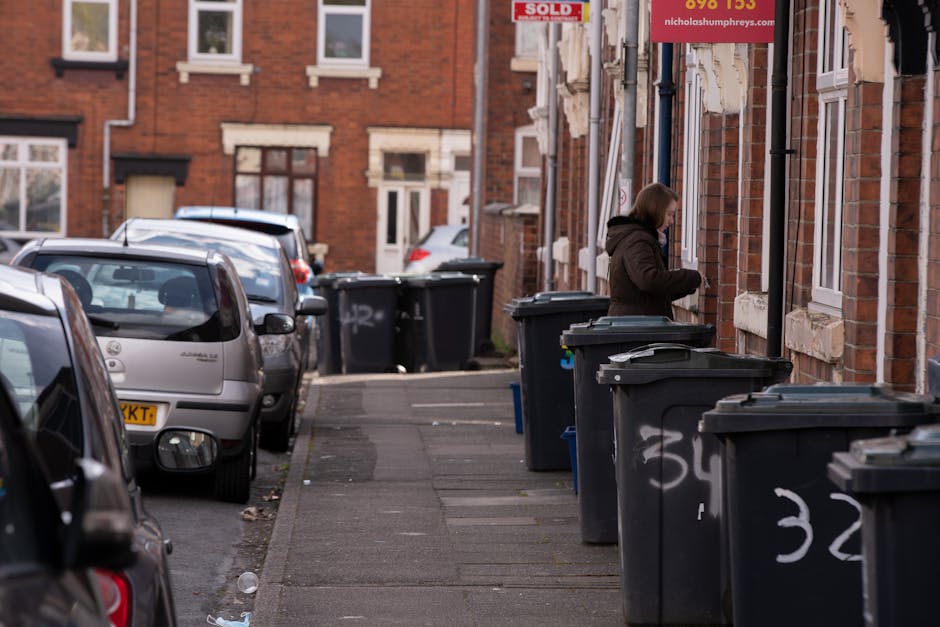
Renovating a terrace on Tower Road in Epping sounds straightforward on paper. Then the first wall comes down, old timber piles up, plaster dust creeps into every corner, and suddenly the front path looks like a mini building site. That is usually the moment people realise they need a proper Rubbish collection plan for Tower Road Epping terrace renovations, not just a bin bag and good intentions.
This guide is for anyone handling a terrace refurb, from a light refresh to a fuller structural update. We will look at how to plan collections, what waste streams to expect, how to avoid nuisance on a busy residential road, and where a sensible local clearance approach can save you time, stress, and a fair bit of back-and-forth. To be fair, rubbish is rarely the exciting part of a renovation. But it can make or break the job.
If you want the work to run cleanly, safely, and without turning the frontage into a headache for neighbours, this is the place to start.
Why Rubbish collection plan for Tower Road Epping terrace renovations Matters
A terrace renovation creates waste in bursts, not all at once. One day you are removing cabinets and broken tiles; the next you are dealing with plasterboard, old flooring, packaging, and maybe a few heavy items that seemed harmless until they were at the bottom of the stairs. Without a plan, waste builds up fast, and that is where delays begin.
On a terrace road, space is usually tight. Front gardens are small, access can be awkward, and you may have neighbours parking close by. A heap of waste on the pavement or driveway can feel messy very quickly. It is not just about appearance either. Poor waste control can create trip hazards, block access for trades, and slow down each stage of the renovation.
A practical collection plan helps you separate what is staying, what is going, and what needs special handling. It also gives you a rhythm. Instead of letting debris sit for days, you can move it off-site regularly and keep the project breathing. That matters more than people expect.
There is also the simple reality of cost control. When rubbish is not organised, you often pay twice: once for the original clearance, and again for the extra collection that was needed because the first load was not planned properly. Nobody enjoys that little surprise. Nobody.
How Rubbish collection plan for Tower Road Epping terrace renovations Works
At its core, the plan is a schedule and sorting system. You estimate the type and volume of waste, work out when it will be generated, and arrange collections to match the pace of the renovation. That sounds basic, but it is exactly where many projects drift.
A good plan usually starts before demolition. You identify likely waste streams, such as timber, plaster, broken fittings, cardboard packaging, old furniture, and general mixed renovation waste. Then you decide whether each stream will be kept separate or collected together. In many real-world jobs, mixed loading is the most practical route, but separation can help with recycling and disposal efficiency when the site allows it.
For a terrace on Tower Road, access planning is often just as important as waste type. Where will bags be stacked? Can a vehicle stop safely? Is there a clear route from the back room or loft to the front? If the answer is "not really", you will want to plan smaller, more frequent collections rather than waiting for one huge clear-out at the end.
In practice, the process is usually:
- survey the property and renovation scope
- estimate waste by room or phase
- match waste types to suitable collection methods
- book collection windows around demolition and fitting work
- keep pathways clear so waste can move out quickly
- review what is left after each collection and adjust the next one
That last step matters. Renovation waste has a habit of growing arms and legs. A few offcuts become a full load, and a full load becomes two. Better to notice early than pretend the pile will somehow shrink overnight.
Key Benefits and Practical Advantages
The biggest benefit is control. A clear rubbish collection plan keeps the renovation site workable, which means trades can get on with the actual job instead of stepping around old skirting boards and tangled packaging.
- Cleaner working space: safer access, fewer trip hazards, less clutter in rooms and hallways.
- Better pace: waste leaves the site in line with the project, so progress does not stall.
- Less neighbour friction: especially helpful on a residential road where appearance and noise matter.
- Improved sorting: easier to separate reusable, recyclable, and general waste.
- More accurate budgeting: you are less likely to book the wrong size clearance or pay for unnecessary call-outs.
- Lower stress: and frankly, there is a lot to be said for not staring at a growing pile of rubble every morning.
There is also a less obvious benefit: decision-making becomes easier. When rubbish is under control, you can see the actual renovation progress. That clarity helps with scheduling, snagging, and handover. It is a small thing, but a good site feels calmer. You will notice it straight away.
Who This Is For and When It Makes Sense
This kind of plan makes sense for homeowners, landlords, and builders working on terrace renovations where waste is likely to build up in stages. It is especially useful if the job includes strip-out work, kitchen removal, bathroom replacement, flooring changes, loft access, or garden-facing improvements that create bulky debris.
You should think about it early if any of the following apply:
- the property has limited access or a narrow frontage
- the renovation will happen while people still live on site
- you expect heavy materials such as plaster, tiles, or broken timber
- you are trying to keep the street tidy and avoid complaints
- you want collections timed around different trades
- you are comparing waste removal options rather than defaulting to the first one you find
It is also sensible for smaller projects. People often assume rubbish planning only matters for full refurbishments, but even a modest terrace refresh can produce a surprising amount of waste. Old cupboards, packaging, broken fixings, carpet underlay, and offcuts add up quickly. Fast. Almost annoyingly fast.
Step-by-Step Guidance
1. Walk through the property before work begins
Start with a room-by-room review. Note what is being removed, what is staying, and what will need protection. If you can, list the likely waste by category rather than by room only. That makes collection planning much easier later on.
2. Estimate volume in realistic terms
Renovation waste is easy to underestimate. One old kitchen can take up far more space than expected once it is dismantled. If you are unsure, think in terms of loose bags, bulky items, and broken sheet materials rather than "one van load" in the abstract. That vague phrase causes more trouble than it helps.
3. Decide what should be separated
Some waste is worth keeping apart. Cardboard packaging, untreated timber, metal fixtures, reusable items, and clean rubble may be handled differently from mixed general waste. Separation is not always practical on a tight terrace job, but where you can do it, the result is often cleaner and more efficient.
4. Match the collection method to the access
For a road like Tower Road, access will shape the plan. If the frontage is tight, smaller and more frequent collections may work better than a single oversized clearance. If there is rear access or a side route, you may be able to stage waste more discreetly. The point is to plan for the property you actually have, not the one in your head.
5. Build collections into the renovation timeline
Book waste removal around the messy phases. For example, a strip-out at the start, a mid-project clearance after first fix, and a final sweep before finishing touches. That rhythm keeps the site safer and helps trades move without clutter.
6. Review after each load
After each collection, pause and check what remains. Is there more plaster than expected? Did packaging from fittings take up half the space? Adjust the next collection rather than hoping the rest will fit neatly at the end. It usually does not.
Practical takeaway: the best rubbish plan is not the biggest one; it is the one that matches the pace, access, and mess of the renovation without creating extra stress.
Expert Tips for Better Results
In our experience, the smartest renovation waste plans are the simplest ones. You do not need a complicated system. You need a clear one.
- Label waste zones early. A couple of marked areas for timber, mixed rubble, and reusable items can save a lot of confusion later.
- Keep one route clear. Pick a single path from the work area to the collection point and protect it from becoming a dumping ground.
- Use smaller bags for heavy waste. Plaster and rubble become awkward very quickly if bags are overfilled.
- Schedule collections before the site feels full. If you wait until the space is packed, movement slows right down.
- Protect floors and thresholds. Hauling waste out of a terrace can scuff paint and damage old flooring if you are not careful.
- Think about wet weather. A damp heap on a driveway is harder to handle and often messier to move. Typical British problem, really.
A small but useful habit is to do a five-minute clean-up at the end of each workday. Sweep dust, stack light offcuts, and clear loose packaging. It does not solve everything, but it stops the site from drifting into chaos. And yes, that tiny daily effort saves hours later.
Common Mistakes to Avoid
Most waste problems on terrace renovations come from planning too late or assuming "we will sort it out when the work starts". That approach rarely ages well.
- Underestimating volume: old plaster, flooring, and kitchen units take up more room than many people expect.
- Mixing everything blindly: this can make collections less efficient and create avoidable sorting issues.
- Leaving waste at the front for too long: it can block access, look untidy, and annoy neighbours.
- Booking only one collection: a single pickup is often not enough for a renovation with phased strip-out work.
- Ignoring heavy or awkward items: radiators, doors, worktops, and broken cabinets need a realistic lifting plan.
- Forgetting the finish stage: final clear-ups are often when offcuts, packaging, and dusty leftovers linger.
Another quiet mistake is failing to coordinate with the builder or trades. If the plumber, electrician, and carpenter are all working at once, waste can land in different places and become harder to gather. A quick daily check-in avoids that muddle. Not glamorous, but very effective.
Tools, Resources and Recommendations
You do not need specialist kit to manage renovation rubbish well, but a few practical items help a great deal.
- Heavy-duty rubble bags: useful for plaster, broken tile, and smaller inert waste.
- Wheelbarrow or sack truck: handy for moving awkward loads through a narrow terrace.
- Dust sheets and floor protection: keeps waste movement from spreading dirt through the house.
- Clearly marked stack area: even a small designated space can keep the project more orderly.
- Simple waste log: note what was removed, what remains, and what needs a separate collection.
For readers comparing waste service options, it can also help to look at related guidance on builders waste clearance and broader waste removal services. If the renovation also involves clearing out old cupboards, chairs, or fixtures before work starts, house clearance and furniture disposal pages can be useful starting points too.
If your project is part of a bigger declutter, you may also want to review recycling and sustainability guidance so you can make better sorting decisions from the outset.
Law, Compliance, Standards, or Best Practice
Renovation rubbish is not just a housekeeping issue. In the UK, waste must be handled responsibly, and anyone producing it should think carefully about how it is stored, moved, and collected. You do not need to become a legal expert to do this properly, but you do need to follow sensible best practice.
For domestic projects, the main points are straightforward. Waste should not be allowed to create hazards, spill onto the public highway, or become a nuisance. If waste is being removed by a third party, it is wise to make sure they are operating in a professional and responsible way, with suitable insurance and a clear approach to safety. A little due diligence goes a long way.
Where waste includes sharp objects, dusty material, electrical items, paint tins, or anything that may require special handling, it should be treated carefully. It is also sensible to keep records of what has been removed and by whom, especially on larger renovation jobs. That paper trail can help if questions arise later. Boring maybe, but useful.
Householders and builders should also think about local conditions. On a residential terrace, collections need to be arranged in a way that avoids blocking neighbours or leaving material out overnight where it could blow around. Best practice is simple: keep it contained, keep it moving, and keep it tidy.
If safety and insurance matter to you - and they should - reviewing the company's insurance and safety information is a sensible step. It is the sort of check people skip until they wish they had not.
Options, Methods, or Comparison Table
There is more than one way to handle renovation waste, and the right choice depends on volume, access, timing, and how involved the project is. Here is a practical comparison.
| Method | Best for | Strengths | Trade-offs |
|---|---|---|---|
| Small scheduled collections | Phased terrace renovations with limited space | Flexible, tidy, reduces build-up | Requires planning and repeat bookings |
| One larger clearance at the end | Short projects with light waste | Simple to organise | Waste can obstruct the site during work |
| Mixed waste loading | General strip-out work | Fast and practical | Less sorting, potentially less recycling |
| Separated waste streams | Projects with enough space to sort | Can support better recycling and cleaner disposal | Takes more time and site discipline |
For many Tower Road terrace renovations, the most realistic option is a hybrid approach: some separation where it is easy, plus regular mixed collections where speed matters. That balance tends to work well in lived-in homes and tighter streets.
If you are still weighing up services, a general look at pricing and quotes can help you compare what is included and avoid paying for a service you do not actually need. Cost is not just the headline figure. It is the clarity behind it.
Case Study or Real-World Example
Picture a typical terrace renovation on a road like Tower Road. The owners are updating a dated ground floor, replacing a tired kitchen, and refreshing the hallway. Nothing extravagant, just enough work to create a steady flow of waste over two to three weeks.
At the start, the team removes old units, broken tiles, and packaging from new materials. Rather than letting it stack up in the front room, they set aside a corner of the hallway for bagged waste and a separate spot for bulky items. The first collection is booked shortly after strip-out, before the pile starts to narrow the path. That alone makes the house feel calmer.
Midway through the job, once new fittings are in and packaging has accumulated again, a second collection clears the remaining mixed waste. A final sweep happens just before decorating, taking away offcuts, old fixings, and the last of the dust-covered odds and ends. The result is simple: the property stays workable, the front stays presentable, and the renovation finishes without a mad last-day scramble.
Truth be told, this kind of steady approach is often better than a heroic all-in-one clear-out at the end. The end-of-job mountain is where people lose time and patience.
Practical Checklist
Use this checklist before and during the renovation. It is not fancy, but it works.
- Confirm the renovation scope and likely waste types.
- Identify where rubbish will be stored safely on site.
- Check access routes for bags, bulky items, and collection vehicles.
- Separate reusable items from general renovation waste.
- Protect floors, thresholds, and narrow passages.
- Book collections to match demolition and fitting stages.
- Keep heavy waste in manageable loads.
- Review waste after each pickup and adjust the next collection.
- Make sure nothing is left blocking the pavement, driveway, or neighbour access.
- Do a final sweep for dust, offcuts, fixings, and forgotten packaging.
If you want to compare services beyond renovation waste, pages such as furniture clearance, garage clearance, and loft clearance may also help when different parts of the property need clearing at different stages.
Conclusion
A well-thought-out rubbish collection plan for Tower Road Epping terrace renovations is one of those unglamorous details that quietly improves everything. It keeps the site safer, helps work move faster, protects the street from clutter, and makes the whole renovation feel more under control. When the waste is organised, the rest of the project usually follows suit.
The best results come from planning early, collecting regularly, and matching the service to the actual layout of the terrace. Not the ideal layout. The real one. Once you do that, even a busy renovation becomes much easier to manage, and the end result is better for you and everyone living nearby.
Get a free quote today and see how much you can save.
Frequently Asked Questions
How do I plan rubbish collection for a terrace renovation in Epping?
Start by listing the waste created in each phase of the job, then match collections to those phases. For terrace properties, access and space are often the deciding factors, so plan for shorter, more frequent pickups if the site is tight.
What kind of waste is usually generated during a terrace renovation?
Common waste includes old timber, plaster, tiles, flooring, kitchen units, bathroom fittings, packaging, screws, and general mixed debris. Some projects also produce furniture or loft items that need separate clearance.
Should I separate waste streams or put everything in one load?
If you have the space and time, separating clean materials can be helpful. But on many terrace renovations, mixed loading is more practical. The best choice depends on access, labour, and how tidy you need the site to stay.
How often should rubbish be collected during a renovation?
That depends on the size of the project. A small terrace update may only need one or two collections, while a full refurb can need several. The rule of thumb is simple: collect before waste starts to block work.
Can renovation rubbish be left on the pavement outside the property?
It should not be left out in a way that creates a hazard or blocks access. On a residential road, it is better to keep waste contained and arranged for prompt collection rather than letting it sit exposed.
What is the most common mistake people make with renovation waste?
Underestimating how much waste will be produced. People often think a kitchen or bathroom strip-out will be small, then the pile grows very quickly once materials are broken down and stacked properly.
How can I keep costs under control?
Plan collections early, avoid emergency call-outs where possible, and make sure the service you book matches the actual type and amount of waste. Comparing clear quotes is usually more useful than chasing the cheapest headline figure.
Is it better to do one big clearance at the end?
Sometimes, but not often for terrace renovations. If the project is short and the access is easy, a single clearance may work. For phased work, smaller collections tend to be cleaner and less disruptive.
What should I do with bulky items like old cupboards or wardrobes?
Bulky items should be removed as part of the collection plan, not left until the end by default. They take up a lot of room and can make movement through narrow hallways awkward very quickly.
Do I need to worry about insurance or safety checks?
Yes, especially if a third party is handling the removal. It is sensible to make sure the service has appropriate safety procedures and insurance in place. That sort of check is a bit dull, but worth doing.
How do I know whether my renovation waste needs special handling?
If the waste includes electrical items, sharp materials, paint, or anything you are unsure about, treat it carefully and ask before loading it in with general waste. When in doubt, pause and check rather than guessing.
Where can I find more practical guidance on clearance and disposal?
You can review related guidance on builders waste, general waste removal, recycling, and pricing to compare options and choose the most sensible approach for your project.