House Clearance Epping: Recycling and Sustainability Commitment
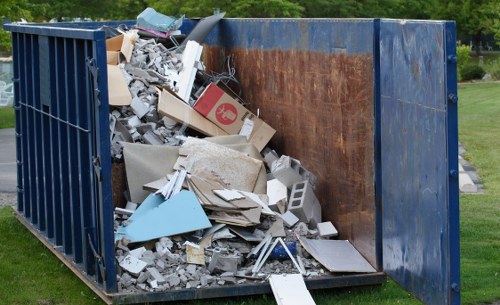
At House Clearance Epping we prioritise an eco-friendly waste disposal area and the development of a local sustainable rubbish area model that reduces landfill, boosts reuse and supports the circular economy. Our approach blends practical, on-the-ground clearance work with clear environmental targets and partnerships that give unwanted items a second life. We treat every house clearance as an opportunity to divert materials from landfill and to create measurable environmental benefits in the Epping Forest district and surrounding boroughs.
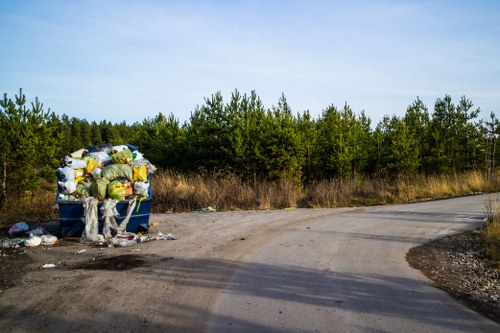 Our aim is to set a clear recycling percentage target for all clearances. We have committed to achieving a 75% recycling and reuse rate across all House Clearance Epping projects by 2028. This target covers items recovered for reuse, materials sent to licensed recycling centres, and organics separated for composting. Progress is tracked per job, with internal reporting to ensure continuous improvement and to demonstrate how each clearance contributes to the wider local sustainability goals.
Local Transfer Stations and Waste Separation
We work closely with licensed local transfer stations and waste management hubs serving the Epping Forest area and neighbouring boroughs. These transfer stations accept segregated loads—metal, wood, glass, mixed dry recycling, bulky waste and inert material—ensuring that recovered items enter the correct processing stream. Many boroughs in and around Epping now follow a three-stream approach to household waste separation: dry recycling, organic (food and garden) waste and residual waste. Aligning our on-site sorting with this approach maximises recovery and simplifies onward processing.
Partnerships with Charities and Reuse Networks
We maintain active partnerships with local charities, social enterprises and reuse centres to ensure serviceable items are offered for donation before recycling. These collaborations include agreements with local furniture reuse schemes, textile charities, and appliance refurbishment projects. Typical items diverted to charity partners include:
- Furniture: sofas, tables, chairs and working bedroom sets
- Household goods: working appliances, crockery and decorative items
- Textiles: clothing and bedding suitable for reuse
To support a low-carbon logistics chain we operate a mixed fleet of low-emission vans and electric vehicles where local range allows. Our vehicles are equipped with route-optimisation software, telematics and load-planning systems to reduce mileage and maximise load efficiency. These measures lower our carbon footprint and improve the sustainability of the rubbish collection and transfer process. We also make use of local consolidation points to minimise trips to regional transfer stations and to reduce greenhouse gas emissions across our operations.
Handling hazardous materials such as asbestos-containing items, solvents or certain batteries is done with strict compliance to licensed hazardous waste procedures. These items are separated at source, transported to permitted facilities and processed according to environmental regulations. By distinguishing hazardous streams from recyclable loads, we protect recycling quality and meet the boroughs' safety standards for waste separation and disposal.
Relevant types of recycling activity for House Clearance Epping include:
- WEEE recycling: collection and transfer of electrical items for specialist refurbishment or material recovery
- Metal and timber recovery: salvage of metalwork and timber for reuse or industrial recycling
- Textile reuse and recycling: working garments and linens passed to charity partners or textile recyclers
- Garden and food waste diversion for composting at local facilities
Community engagement is central to our sustainability mission. We host periodic donation drives and collaborate with local community hubs to organise collection days for bulky, usable items. These events support local charities and encourage residents to participate in creating a more sustainable rubbish area. We also provide clear on-site signage and staff guidance during clearances so that clients know which items will be reused, recycled or require specialist disposal.
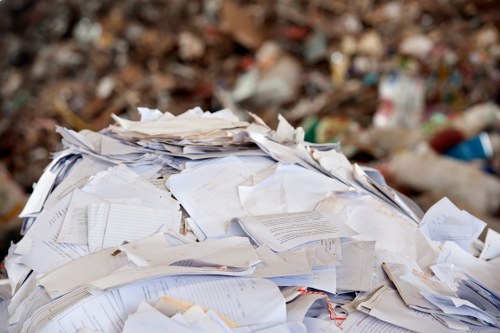 To ensure transparency and continuous improvement we publish summary outcomes from our clearances, including the percentage of materials reused, recycled or responsibly disposed of at licensed transfer stations. Our operational practices combine low-carbon vans, strategic partnerships with reuse charities, and careful alignment with borough waste separation schemes to deliver a practical and measurable sustainability impact across Epping and neighbouring districts.
House Clearance Epping is committed to making every clearance as sustainable as possible. By focusing on an eco-friendly waste disposal area, building a recognised sustainable rubbish area model, and working collaboratively with local transfer stations and charity partners, we turn unwanted items into resources and keep environmental responsibility at the heart of our service.
